
Is OPAI.PVT OpenAI's Real Stock Symbol? What Investors Need to Know Before the IPO 2026

 Prefer us on Google
Investor Briefing & Analyst Take
OPAI.PVT is not an official stock ticker in any regulatory or exchange sense; it is a vendor-assigned label that financial data platforms use to display private-market pricing estimates for OpenAI, a company that remains privately held. Retail investors who see this code on a finance page and assume it functions like a Nasdaq or NYSE ticker are misreading what the label actually represents. Our structural read is that the confusion is less about the label itself and more about how private-market data providers have started presenting indicative pricing with the same visual polish as public market quotes, which blurs a distinction that matters enormously for anyone considering an actual purchase. Understanding what OPAI.PVT is, how its displayed price is calculated, and who can realistically transact on it is essential before treating any pre-IPO OpenAI exposure claim as legitimate.
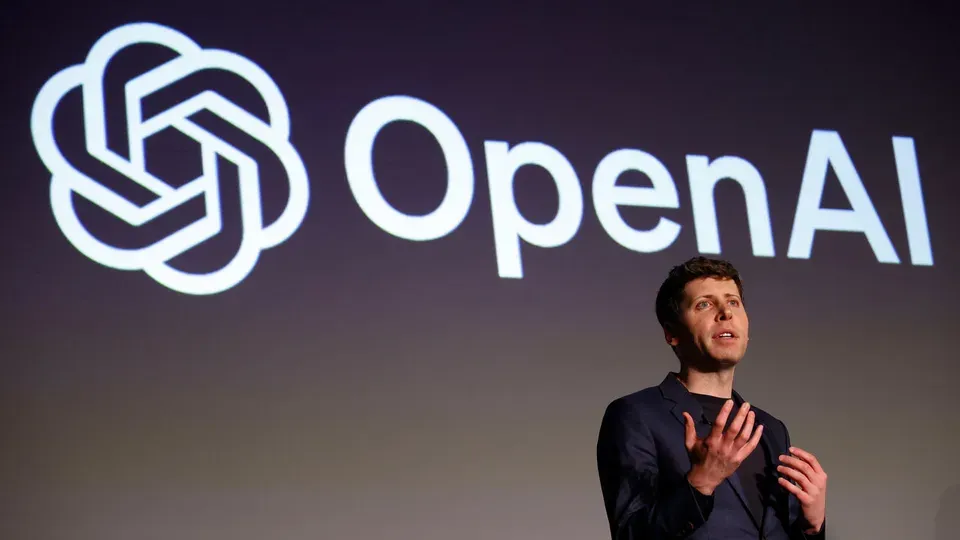
What Exactly Is the OPAI.PVT Label?
OPAI.PVT is a private-market identifier created by data vendors such as Yahoo Finance, in partnership with private-market pricing services, to give OpenAI a searchable, quote-like entry despite the company having no exchange listing. This label exists purely so platform interfaces can group and display pricing data consistently, not because any regulator or exchange has formally assigned OpenAI a ticker.
Why Data Vendors Create These Placeholder Codes
Private companies with significant investor interest generate enough search demand and secondary-market activity that data platforms find it useful to track them the same way they track public equities, even without a real listing to reference. A recent explainer on this exact question noted that vendor labels such as OPAI.PVT are not tradable tickers, and that seeing one simply signals a platform is displaying private-market information rather than confirming public tradability. The practical effect is a user interface that looks identical to a normal stock quote page, complete with a price, a percentage change, and a chart, even though none of the underlying mechanics resemble an open public market.
How Is the Price Shown Next to OPAI.PVT Actually Calculated?
The number displayed alongside OPAI.PVT is a modeled estimate derived from private funding rounds, secondary-market transactions, and indications of interest, not a live bid-ask quote from a continuous trading venue. This distinction matters because two reputable data providers can show meaningfully different numbers for the same company at the same time, which is not something that happens with genuinely listed stocks.
Comparing Vendor Price Estimates
Yahoo Finance's OPAI.PVT page recently displayed a Forge-derived valuation with a listed price around $721.85, described explicitly as a proprietary model incorporating primary funding data and secondary transaction indications rather than a live quotation. Separately, Nasdaq Private Market's own estimate for OpenAI's per-share value sat closer to $703.42 as of the same general period, based on its own blend of market activity and valuation data. Two credible providers landing within a similar range but not matching exactly is itself informative: it confirms these are independently modeled estimates rather than a shared, authoritative market price.
| Data Point | Value | Source Methodology |
|---|---|---|
| Yahoo Finance OPAI.PVT display price | ~$721.85 | Forge Price model, funding and secondary data |
| Nasdaq Private Market estimate | ~$703.42 | NPM proprietary valuation blend |
| Official exchange ticker | None exists | OpenAI has no public listing |
| Regulatory ticker assignment | None | Private companies are not assigned exchange tickers |
Can Retail Investors Actually Buy Shares Under the OPAI.PVT Label?
No, retail investors generally cannot purchase OpenAI shares directly through OPAI.PVT or any similar label, since private-market secondary transactions are typically restricted to accredited and institutional investors operating through specialized platforms. Anyone marketing direct retail access to "OpenAI stock" using this or a similar code should be treated with significant skepticism.
Who Actually Trades Private OpenAI Shares
Secondary marketplaces such as Forge Global and Nasdaq Private Market facilitate transfers of OpenAI shares among accredited and institutional buyers, operating under transfer restrictions rather than open exchange rules. These platforms describe themselves as helping institutional investors seek liquidity for private holdings, which is structurally different from a retail brokerage account placing a market order. Some platforms reference additional internal codes, such as OPAI or OPEI, used by services like EquityZen to track private share interests, reinforcing that there is no single standardized symbol even within the private-market data industry itself.
Indirect Exposure Through Public Companies
Investors seeking legitimate, regulated exposure to OpenAI's growth without accessing restricted private shares typically look toward publicly traded companies with disclosed financial stakes or commercial partnerships tied to OpenAI, since those relationships are reflected in audited public filings rather than modeled private estimates. This indirect route carries its own tradeoffs, since the public company's overall business performance dilutes any pure exposure to OpenAI specifically, but it comes with the disclosure standards and liquidity that private-market labels like OPAI.PVT cannot offer.
Will OpenAI Actually IPO, and What Would Its Real Ticker Be?
OpenAI's leadership has not committed to a near-term public listing, and its unusual corporate structure, combining a non-profit parent with a for-profit subsidiary, adds legal and governance complexity that a conventional IPO process would need to resolve first. Any specific future ticker symbol currently circulating online should be treated as speculation rather than a confirmed detail, since no listing has been filed or scheduled.
Why the Corporate Structure Complicates a Traditional Listing
A structure combining non-profit oversight with a for-profit operating subsidiary is not the standard template used by companies pursuing a conventional initial public offering, and resolving how that governance model would translate into publicly traded shares is a nontrivial legal exercise on its own. Public statements from OpenAI's leadership have emphasized prioritizing the company's stated safety mission over the reporting cadence and short-term earnings pressure that typically comes with public markets, which suggests any listing timeline remains genuinely uncertain rather than merely undisclosed.
Given this uncertainty, investors encountering confident claims about a specific IPO date, exchange, or ticker for OpenAI should verify those claims against the company's own official communications rather than assuming a data vendor's placeholder label or a third-party trading platform's marketing content reflects confirmed IPO plans. Building the habit of separating modeled private-market estimates from confirmed public disclosures is the most reliable way to evaluate any pre-IPO opportunity, for OpenAI or any other closely watched private company.
Frequently Asked Questions About OpenAI's Stock Symbol
1. Is OPAI.PVT a real ticker symbol assigned by a stock exchange
No, OPAI.PVT is a vendor-created label used by financial data platforms to display private-market pricing estimates, not a ticker assigned by any regulated stock exchange.
Because OpenAI has no public listing, there is no exchange-recognized symbol for the company, and any code ending in ".PVT" or similar should be understood as an internal data-tracking convention rather than a tradable market identifier.
2. Why does the price next to OPAI.PVT change if OpenAI is not publicly traded
The displayed price updates because data providers periodically refresh their valuation models using new inputs such as recent secondary-market transactions, funding round data, and indications of interest, not because continuous public trading is occurring.
This means price movements shown next to OPAI.PVT reflect changes in the underlying model's inputs rather than the kind of real-time supply-and-demand price discovery seen on an open exchange.
3. Can I buy OPAI.PVT shares through a normal brokerage account
No, standard retail brokerage accounts cannot execute trades under the OPAI.PVT label, since it does not correspond to a security listed on any exchange that retail brokers connect to.
Legitimate access to OpenAI's private shares generally requires accredited or institutional investor status and typically occurs through specialized secondary marketplaces rather than conventional trading apps.
4. What ticker will OpenAI use if it eventually goes public
No confirmed ticker symbol currently exists, since OpenAI has not filed for or scheduled a public listing, and any specific symbol circulating online should be treated as speculative until confirmed through official channels.
OpenAI's combined non-profit and for-profit corporate structure adds additional complexity to any eventual listing process, which makes both the timeline and the specific listing details genuinely uncertain rather than simply unannounced.
5. How can I tell if an offer to buy pre-IPO OpenAI shares is legitimate
A legitimate offer will generally come through an established, regulated secondary marketplace and will require you to meet accredited or institutional investor criteria rather than allowing open retail participation.
Offers that promise easy retail access to "OpenAI stock" through an informal platform, a direct message, or a social media link, especially using labels like OPAI.PVT as if they were tradable tickers, warrant significant scrutiny and independent verification before any funds are transferred.
This content is provided for general informational purposes only and doesn't constitute financial, investment, legal, or tax advice. Any events, rewards, online promotions, or related information mentioned herein should not be considered a recommendation, solicitation, or invitation to purchase, sell, trade, or otherwise deal in any crypto assets. Crypto assets are highly volatile and may result in loss. The availability of WEEX services, products, and related events may vary by region. You are responsible for ensuring that your participation is in accordance with applicable local laws and regulations.
You may also like

How to Earn WXT Rewards with WEEX Trade to Earn S6 Event

How to Earn WXT Rewards with WEEX Trade to Earn S6 Futures Event

Roblox Stock Price Prediction 2026-2027: Can RBLX Recover After Falling From $142 to $38

Roblox Stock Is Down 68% in the Past Year: What Age Verification and Sands Capital's Exit Actually Signal

Pakistan Stock Exchange Performance in 2026: What Is Driving the KSE 100 to Record Highs

The XSolut (XST) Contract Address: How to Identify the Real XST Token on Solana 2026
Nvidia's $105 Billion OpenAI Data Center Backing: Could It Push the IPO Toward a $1 Trillion Valuation? 2026
How Do Pre-IPO Perpetual Futures Allow On-Chain Exposure to OpenAI Stock? 2026
Can XST Crypto Reach $0.10? XSolut Price Prediction 2026

Is XST Crypto a Long-Term Opportunity or Short-Term Hype?
USDT vs BTC Settlement for Crypto Broker Partners: Which Currency Is Better for Your Business
Master Account vs Sub-Account: What the Difference Means for Crypto Broker Partners

Crypto Broker vs Stock Broker: What Is the Difference and Which Do You Need
XSolut Company: What Is the Team Behind XST Coin and What Do They Actually Disclose
Is OPAI.PVT OpenAI's Real Stock Symbol? What Investors Need to Know Before the IPO 2026
Meta Stock Price Is Down 30% From Its 52 Week High: Is META a Buy After the Child Safety Trial Drop
Meta Stock Falls as 29 States Begin Federal Child Safety Trial: What the "Big Tobacco Moment" Warning Actually Means
What Is NIULAI Crypto? Why the Token and the Film Are Two Completely Different Things
Google Stock and the 199% EPS Beat: What Earning $9.11 Against a $3.04 Estimate Actually Reveals
Adobe Stock Jumps After BlackRock Raises Stake to Over 10%: What an $8.4 Billion Bet Actually Signals
CoreWeave Stock (CRWV): The Debt Math Behind the AI Trade — and How to Trade It 24/7
Stock Market News Today: Why Bonds Are Setting the Tape
Buy Crypto With JazzCash and Easypaisa, Now Live on WEEX
MSTR Stock Trades Below Its Bitcoin. Here's the Catch
Before Swapping XSolut (XST): How to Check Liquidity, Price Impact, and Failed-Trade Risk 2026
Is Niulai Coin a Good Investment? What the Film Story Cannot Tell You About NIULAI Risk
Niulai Coin Price Prediction: What Happens to Meme Tokens After a Viral Peak on BNB Chain
SK Hynix Stock Price Has 43% Upside According to Wall Street: What the $245 Consensus Target Actually Requires
Tesla Stock Price Is Down 30% in 2026: What the Q2 Earnings Miss and 1.4% Operating Margin Actually Signal
MSFT Stock Price Prediction 2026-2027: What the $569 Analyst Consensus Target Actually Requires
How to Earn WXT Rewards with WEEX Trade to Earn S6 Event
How to Earn WXT Rewards with WEEX Trade to Earn S6 Futures Event
Roblox Stock Price Prediction 2026-2027: Can RBLX Recover After Falling From $142 to $38
Roblox Stock Is Down 68% in the Past Year: What Age Verification and Sands Capital's Exit Actually Signal
Pakistan Stock Exchange Performance in 2026: What Is Driving the KSE 100 to Record Highs
The XSolut (XST) Contract Address: How to Identify the Real XST Token on Solana 2026
Contents
Popular coins
Latest articles





