
How to Avoid Crypto Broker Scams: What Legitimate Brokers Actually Look Like

 Prefer us on Google

The crypto broker scam problem is not primarily a problem of obvious fraud. Obvious fraud is easy to avoid because it announces itself through impossible promises, anonymous operators, and interfaces that look like they were assembled overnight. The crypto broker scam problem is primarily a problem of sophisticated imitation, where fraudulent operations successfully reproduce the surface appearance of legitimate brokers well enough to deceive clients who know what legitimate brokers are supposed to look like but have not developed the specific evaluation skills to distinguish appearance from substance.
Avoiding crypto broker scams therefore requires moving past the surface features that both legitimate brokers and sophisticated scams share, and into the operational and structural characteristics that legitimate brokers demonstrate and that scams cannot replicate because those characteristics require genuine infrastructure, genuine regulatory engagement, and genuine long-term commitment rather than short-term extraction.
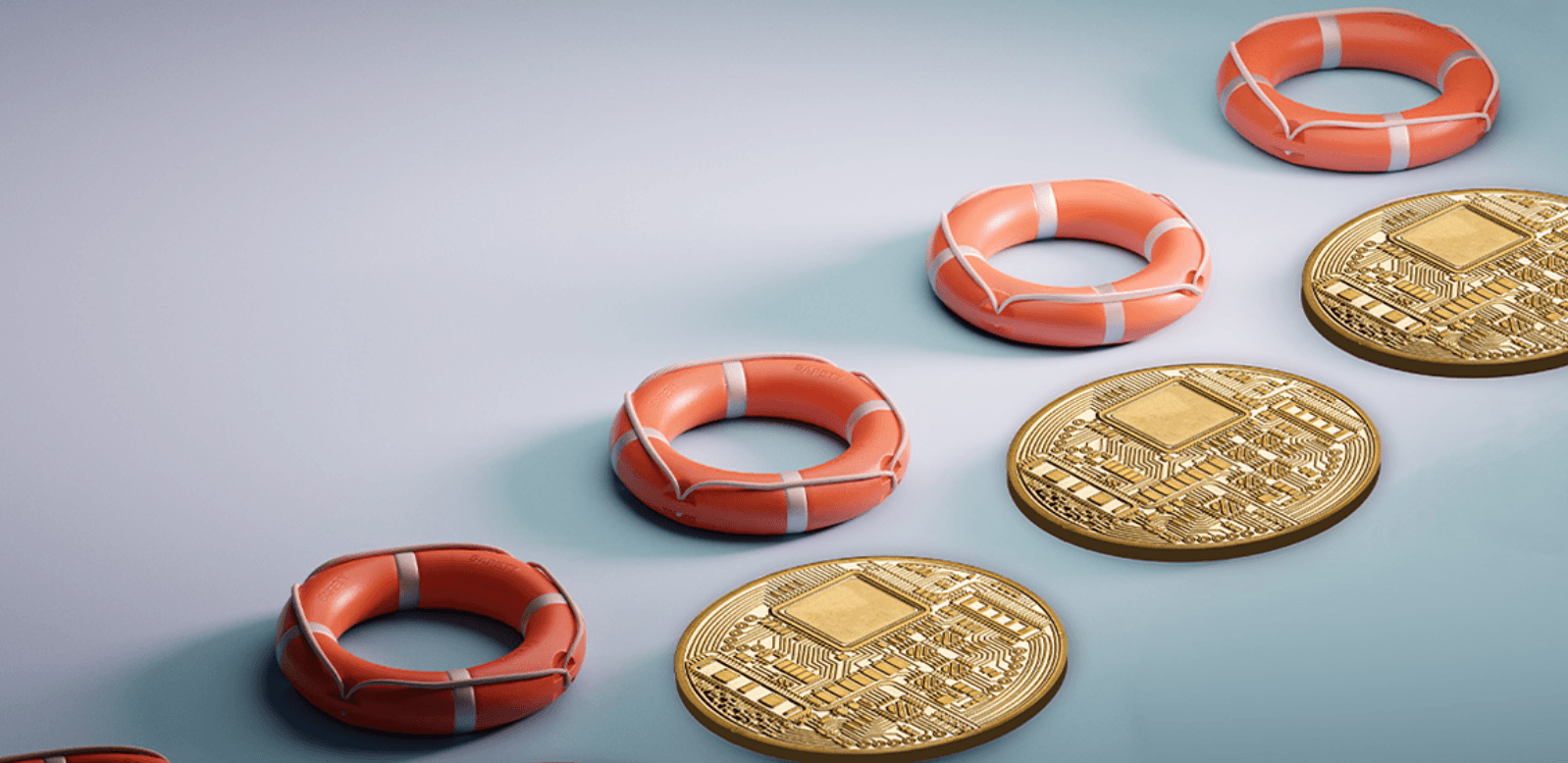
Why Crypto Broker Scams Are More Sophisticated Than Most Warnings Suggest
Most crypto scam warnings focus on the most obvious red flags: guaranteed returns, anonymous teams, pressure to invest quickly, and websites with spelling errors. Those warnings are useful for identifying the least sophisticated scams but create a false sense of security about the more sophisticated operations that pass all of those basic tests while still being fraudulent.
A sophisticated crypto broker scam in 2026 has a professional website with genuine legal-sounding terms and conditions, customer service representatives who respond promptly and knowledgeably, trading interfaces that display real time market data from legitimate sources, and social proof in the form of testimonials, influencer endorsements, and third-party review sites that the scam operator has populated or purchased.
The specific danger of sophisticated scams is that they invest in the appearance of legitimacy specifically because that investment pays for itself through the larger client deposits that a professional appearance attracts. A scam that invests in a convincing interface and professional customer service can attract deposits of $50,000 or more per client rather than the small deposits that obvious scams collect before disappearing. The business model of sophistication is worth examining because it explains why the warning signs that identify sophisticated scams are necessarily different from the warning signs that identify obvious ones.
The Liquidity Test That Separates Legitimate Brokers From Scams
The most reliable single test for distinguishing a legitimate crypto broker from a sophisticated scam is what happens when a client attempts to withdraw funds rather than deposit them.
Legitimate crypto brokers process withdrawal requests through established procedures with defined timelines that they adhere to regardless of the withdrawal amount or the client's trading history. The withdrawal process may involve identity verification requirements that were disclosed at account opening, reasonable processing times that reflect the settlement mechanics of the underlying assets, and customer service communication that is informative rather than obstructive.
Scam brokers process deposit requests immediately and enthusiastically while finding reasons to delay, obstruct, or deny withdrawal requests at every stage. The specific obstruction mechanisms that scam brokers use are varied enough to be worth cataloguing. Invented tax requirements that require additional deposits before withdrawals can be processed. Compliance holds that require documents that the client submitted at account opening but that the scam claims were never received. Profit thresholds that the client must reach before withdrawals are permitted. Account verification requirements that generate new documentation requests each time the previous set is submitted.
The withdrawal obstruction pattern is the most reliable test because it is the one that scam operators cannot fake. A legitimate broker has no reason to obstruct withdrawals because its revenue comes from client trading activity rather than from the client's deposited capital. A scam broker's entire business model depends on retaining the deposited capital, which makes withdrawal obstruction structurally inevitable rather than operationally optional.
The specific implication for clients evaluating a new broker relationship is to test the withdrawal process with a small amount before depositing significant capital. A legitimate broker processes small test withdrawals without friction and without discovering new requirements that were not disclosed at account opening. A scam broker reveals its nature at the first withdrawal attempt regardless of how professional its appearance was at the deposit stage.
What Legitimate Broker Regulatory Engagement Actually Looks Like
Most crypto scam warnings advise clients to check whether a broker is regulated, which is useful advice that requires significant qualification to be practically helpful rather than simply theoretical.
Regulatory status in crypto brokerage varies dramatically across jurisdictions in ways that make a simple regulated versus unregulated binary misleading. Crypto regulatory frameworks are still developing in most major markets, and a legitimate broker operating in a market without a comprehensive crypto regulatory framework is not equivalent to a fraudulent operation simply because it lacks a license that does not yet exist for its activity category.
What distinguishes legitimate brokers' regulatory engagement from scams' regulatory claims is the specificity and verifiability of the engagement rather than simply whether a license is claimed. A legitimate broker can name the specific regulatory authority under whose framework it operates, provide a license number that can be verified directly with that authority, and explain what the license covers and what obligations it imposes. A scam broker makes general claims about being licensed or regulated in jurisdictions where verification is difficult or where the claimed license does not actually cover the activity being conducted.
The specific verification steps that separate claimed regulatory status from genuine regulatory status are direct verification with the named regulatory authority rather than reliance on the broker's own documentation, checking whether the license covers the specific activity the broker is conducting rather than a tangentially related category, and confirming that the license is current rather than expired or under investigation.
Legitimate brokers who operate in markets without comprehensive crypto regulatory frameworks are typically transparent about that status rather than claiming licenses they do not hold. An honest statement that a broker operates under general financial services law in a jurisdiction where specific crypto licensing does not yet exist is more credible than a specific license claim that cannot be verified or that covers a different activity category.

-- Price
The Operational Infrastructure That Scams Cannot Replicate
Beyond regulatory status, the operational infrastructure that legitimate crypto brokers maintain is the most reliable distinguishing characteristic because it requires genuine investment and genuine ongoing commitment rather than one time setup costs.
Real-time commission tracking and transparent settlement infrastructure is the first operational characteristic. Legitimate broker programs provide partners and clients with dashboards that show trading activity, commission accruals, and settlement status in real time rather than through periodic reports that could be fabricated. A broker whose commission and trading data is visible in real time through verifiable connections to underlying exchange infrastructure is demonstrating operational transparency that scam operations cannot maintain because their trading data is either fabricated or withheld.
Established liquidity relationships with verifiable execution venues are the second operational characteristic. Legitimate brokers can identify the exchanges or liquidity providers through which client orders are executed, and clients can verify that those relationships exist through independent research rather than taking the broker's word alone. Scam brokers either route client orders to non-existent internal matching engines or to affiliated entities that create the appearance of external execution without the substance.
Segregated client fund custody with verifiable protection mechanisms is the third operational characteristic. Legitimate brokers maintain client funds separately from operational funds and can demonstrate that segregation through custody arrangements, independent verification, or on-chain transparency where applicable. Scam brokers commingle client funds with operational funds because the business model requires access to client capital to fund the operators' extraction.
Transparent fee structures that match the actual costs applied to client accounts are the fourth operational characteristic. Legitimate brokers disclose their fee structures completely at account opening and apply fees consistently with those disclosures. Scam brokers disclose one fee structure and apply a different one, particularly in withdrawal scenarios where hidden fees appear for the first time when clients attempt to access their funds.
The Social Proof Problem That Makes Sophisticated Scams Dangerous
One of the most effective tools that sophisticated crypto broker scams use to establish credibility is manufactured social proof, and understanding how manufactured social proof differs from genuine social proof helps clients identify it rather than being deceived by it.
Genuine social proof for a legitimate broker comes from verifiable sources whose identity and relationship to the broker can be independently confirmed. Clients who can be contacted independently of the broker's own channels, regulatory filings that confirm the broker's stated history, industry coverage in publications that have editorial standards, and partner relationships with verifiable organizations all constitute genuine social proof because they exist independently of the broker's control.
Manufactured social proof consists of testimonials from identities that cannot be independently verified, review site ratings that the scam has purchased or generated through affiliate networks, influencer endorsements from individuals who have been paid to promote the broker without disclosing that compensation, and claimed partner relationships with organizations that have not actually endorsed the broker.
The specific test for distinguishing genuine from manufactured social proof is independent verification through channels that the broker does not control. Contacting testimonial providers through channels other than those the broker provides, searching for the broker's name in publications that have editorial independence, and directly contacting claimed partner organizations to confirm the relationship are the verification steps that manufactured social proof cannot survive.
What WEEX's Broker Program Transparency Demonstrates
One practical illustration of what legitimate broker infrastructure transparency looks like in practice is the specific operational features that professional broker programs make verifiable rather than simply claiming.
Professional broker infrastructure in 2026 provides real time commission dashboards that show volume and earnings without requiring the partner or client to rely on periodic statements. Settlement occurs in specified assets on disclosed timelines rather than through opaque processes that reveal new requirements at withdrawal. Risk management tools including trading limits and leverage parameters are configurable rather than controlled entirely by the broker without client visibility. Onboarding processes have defined timelines and stated approval criteria rather than indefinite review periods that keep client capital in limbo.
WEEX's broker program demonstrates these characteristics through published program details and API documentation that provides technical transparency about the integration and settlement mechanics. The availability of specific technical documentation for independent review is itself a transparency signal that distinguishes legitimate infrastructure from operations whose technical claims cannot be independently examined.
The Red Flag List That Actually Identifies Sophisticated Scams
Rather than the basic red flag list that most crypto scam warnings provide, mapping the specific warning signs that identify sophisticated scams rather than obvious ones gives clients the evaluation framework that the current threat environment requires.
Withdrawal obstruction at the first attempt, regardless of the sophistication of the deposit process, is the most reliable red flag because it reveals the business model that all scams share regardless of how professional their appearance is.
Regulatory claims that cannot be verified through direct contact with the named regulatory authority, or that describe licenses covering different activities from what the broker conducts, are the second red flag because legitimate brokers have genuine regulatory engagement that verification confirms rather than undermines.
Commission and trading data that is available only through periodic statements rather than real-time verifiable dashboards is the third red flag because it creates the information asymmetry that scams require to fabricate performance data.
Social proof that cannot be independently verified through channels the broker does not control is the fourth red flag because manufactured social proof is both necessary for sophisticated scams and distinguishable from genuine social proof through independent verification.
Fee disclosures that differ from fees actually applied, particularly at withdrawal, are the fifth red flag because legitimate brokers have no reason to apply fees that differ from their disclosures while scams depend on hidden fees as a secondary extraction mechanism alongside capital retention through withdrawal obstruction.
Conclusion
Avoiding crypto broker scams in 2026 requires evaluating the operational substance behind professional appearances rather than being reassured by the appearances themselves. The most dangerous scams are precisely those that pass the basic tests most commonly cited in scam warnings, which means the evaluation framework that protects clients from obvious scams does not protect them from sophisticated ones.
The withdrawal test is the most reliable single evaluation because it reveals the business model that all scams share regardless of their sophistication. The regulatory verification test separates genuine compliance engagement from regulatory claims designed to reassure without being checkable. The operational infrastructure evaluation separates the real time transparency that legitimate brokers provide from the information asymmetry that scams require to sustain their operation.
Legitimate crypto brokers do not resist evaluation. They provide the specific documentation, verification pathways, and operational transparency that independent assessment requires, because their business model depends on client trust that genuine transparency produces rather than on the appearance of trust that manufactured credibility creates.
FAQ
1. What is the most reliable single test for identifying a crypto broker scam?
Attempting a withdrawal of a small amount before depositing significant capital is the most reliable single test because it reveals the business model that all scams share regardless of their sophistication. Legitimate brokers process small withdrawals without discovering new requirements that were not disclosed at account opening. Scam brokers reveal their nature at the first withdrawal attempt through invented tax requirements, compliance holds, profit thresholds, or documentation requests that generate new demands each time the previous set is submitted.
2. How do sophisticated crypto broker scams differ from obvious ones?
Sophisticated scams invest in professional websites, responsive customer service, real-time market data displays, and manufactured social proof specifically because that investment produces larger client deposits than obvious scams attract. The distinguishing characteristics of sophisticated scams are not visible at the deposit stage but emerge at the withdrawal stage, in the independent verification of regulatory claims, and in the examination of whether commission and trading data is genuinely real-time or periodically fabricated.
3. What does legitimate regulatory engagement actually look like for a crypto broker?
Legitimate brokers can name the specific regulatory authority under whose framework they operate, provide a license number verifiable directly with that authority, and explain what the license covers and what obligations it imposes. Legitimate brokers in markets without comprehensive crypto regulatory frameworks are transparent about that status rather than claiming licenses they do not hold. The verification step is direct contact with the named regulatory authority rather than reliance on the broker's own documentation.
4. How can clients distinguish genuine social proof from manufactured social proof?
Independent verification through channels the broker does not control is the distinguishing test. Contacting testimonial providers through independently found contact information, searching for broker mentions in publications with editorial standards, and directly contacting claimed partner organizations to confirm relationships are the verification steps that manufactured social proof cannot survive. Genuine social proof exists independently of the broker's control while manufactured social proof depends on the broker's ability to manage what potential clients see.
5. What operational infrastructure characteristics do legitimate crypto brokers share?
Real-time commission and trading data visible through verifiable dashboard connections rather than periodic statements. Established liquidity relationships with identifiable execution venues whose existence can be independently confirmed. Segregated client fund custody with verifiable protection mechanisms demonstrating separation from operational funds. And transparent fee structures that match the actual costs applied to client accounts including at withdrawal rather than disclosing one fee structure and applying another.
This content is provided for general informational purposes only and doesn't constitute financial, investment, legal, or tax advice. Any events, rewards, online promotions, or related information mentioned herein should not be considered a recommendation, solicitation, or invitation to purchase, sell, trade, or otherwise deal in any crypto assets. Crypto assets are highly volatile and may result in loss. The availability of WEEX services, products, and related events may vary by region. You are responsible for ensuring that your participation is in accordance with applicable local laws and regulations.
You may also like

Recordati Stock (REC): The Respighi BidCo Tender Offer, the Timetable and What Happens If You Do Nothing
Is Bitcoin Preparing for a Bullish Breakout? Key Technical Indicators and On-Chain Data
Is RKLB Stock a Buy After the Space Force Contracts and Q2 Earnings?
What Is a Broker Sub-Account? How Multi-Client Trading Structures Work

JSW Stock Forum: What the Threads Are Actually Arguing About — and What They Cannot Tell You
What Is Polymarket and How Does It Work?
zk-SNARK vs zk-STARK: What's the Difference?

How Zero Knowledge Proofs Are Used in Blockchain Today
What Is Zero Knowledge Proof? A Beginner's Guide
Is PGP Still Secure in 2026?

PGP vs End-to-End Encryption: What's the Difference?
Roblox Stock Price Prediction 2026-2027: Can RBLX Recover After Pulling Full-Year Guidance?

Is RBLX Stock a Buy After Falling 74% From Its All-Time High?

Opendoor Stock Price Prediction 2026-2027: Can OPEN Reach the $4.95 Analyst Target After the Q2 Turnaround?
Is SNDK Stock a Buy After Falling Below $1,300 on Record Earnings?

SanDisk Unveils HBF: What the World's First HBM-Flash Standard Means for SNDK Stock
How to Create a WEEX API Key Without Getting Locked Out
Japan's 20% Crypto Tax: Already Enacted, Start Date Not Yet Set (August 2026)

Form 1099-DA Explained: A 2026 Filing Season Guide for Crypto Traders
UFC's $175M Crypto.com Deal: What It Means for Crypto's Mainstream Moment
API Trading Software: Check the Exchange Limits First
What Is the Yen Carry Trade? How It Moves Bitcoin, Explained
How to Identify Fake WEEX Websites and Customer Service Impersonators
Is WEEX a Scam? Safety, Regulation and Withdrawals Explained (2026)
What Is Broker Trading? A Beginner's Guide to Trading Through a Broker
Hyperliquid (HYPE) July 30 Unlock: What Time Does the $198M Unstake Hit and How Will It Impact Price?
How Do Crypto Brokers Make Money From Fee Sharing? What the Economics Actually Look Like
How to Call an Exchange API: Keys, Signatures and Error Codes
Crypto Exchange API: What It Does and What Your Key Can Do
Argentina World Cup 2030: Who Replaces Messi and Can They Ever Win Again?
Recordati Stock (REC): The Respighi BidCo Tender Offer, the Timetable and What Happens If You Do Nothing
Is Bitcoin Preparing for a Bullish Breakout? Key Technical Indicators and On-Chain Data
Is RKLB Stock a Buy After the Space Force Contracts and Q2 Earnings?
What Is a Broker Sub-Account? How Multi-Client Trading Structures Work
JSW Stock Forum: What the Threads Are Actually Arguing About — and What They Cannot Tell You
What Is Polymarket and How Does It Work?
Contents
Popular coins
Latest articles


